Get Rid Of Unwanted Carpenter Ants
Customized Solutions For You
When you want to eradicate carpenter ants from your home or office, Michael’s Carpenter Ant & Termite Services is your trusted business. Our professionals are well-equipped and trained to find and eradicate carpenter ants from your property.
Count on us to thoroughly assess your property and create a customized solution that is effective but also respects you and your family. Call us to find out more about the services we offer.
Give us a call or contact us today to get started!
What Are Carpenter Ants?
and Why Are They Dangerous?
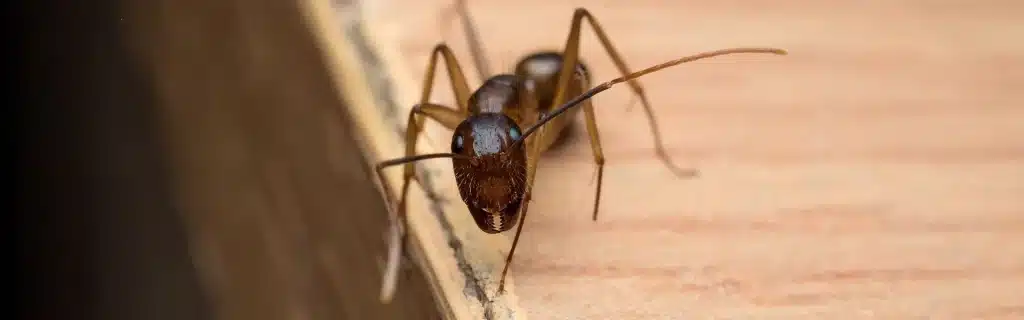
Carpenter ants (Camponotus species) are large ants—workers often range from 4–13 mm and queens can reach up to 20 mm—commonly found in damp or decaying wood. Unlike termites, they don’t eat wood; the ants hollow it out to create galleries, discarding frass (a sawdust-like material) that can signal their activity within a structure. Left unchecked, carpenter ants can cause substantial structural damage over time.
Signs of Infestation
- Piles of sawdust or frass near wood beams, wall voids, or entry points
- Visible worker ants (often nocturnal)—especially large, dark ants with a single petiole node and bent antennae
- Winged ants (reproductive swarmers) indoors or near windows/doors
- Faint wood‑gnawing or rustling noises inside walls or ceilings
Carpenter ant Inspection
Identification and Treatment Options
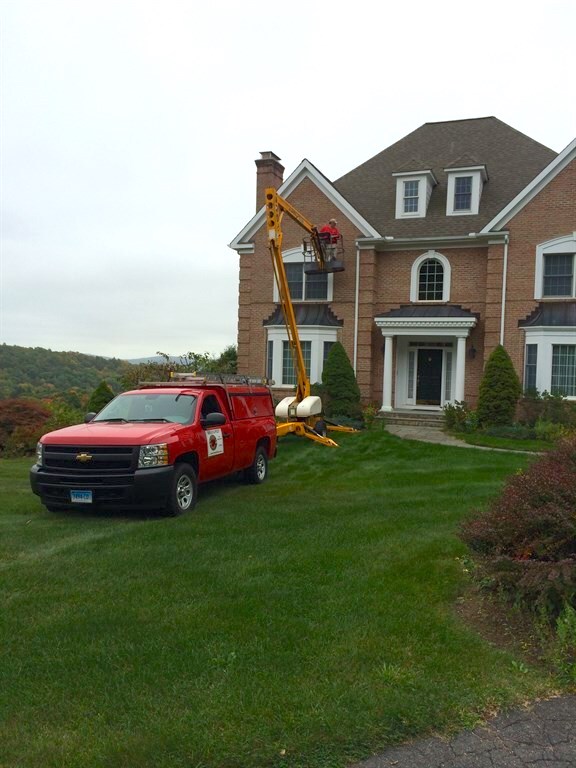
Our process begins with a comprehensive inspection—identifying entry points, damp wood, indoor/outdoor nest sites, and satellite colonies. Locating the main and satellite nests is critical to an effective treatment plan.
1. Baiting
We deploy slow-acting sugar-based and protein-based baits. Worker ants forage, take the bait back to the nest, and effectively transmit it to the colony—including the queen and other workers.
2. Direct Insecticide Treatments
Dusts: Injected into galleries or voids—options include borate (borax) dusts, diatomaceous earth, or silica gel desiccants to dehydrate ants.
Liquid sprays: Target pyrethroids such as deltamethrin, bifenthrin, cyfluthrin, plus non‑repellent formulas such as fipronil or professional-grade residual products like Taurus SC, Advion WDG/Arilon.
3. Nest Removal
Where feasible, physical removal of infested wood (e.g. tree stumps or rotting exterior wood) helps eliminate parent colonies and prevents satellite infestations
Carpenter Ant Inspection FAQs
Learn More About Us
Carpenter ants (Camponotus species) are large ants that often nest in damp or decaying wood. Unlike termites, they do not eat wood, but they hollow it out to create galleries, which can cause significant structural damage over time. Signs of carpenter ant activity include piles of sawdust-like material called frass, visible worker ants, winged swarmers near windows or doors, and faint rustling or gnawing noises inside walls or ceilings.
Common indicators of carpenter ant infestations include spotting large, dark ants—especially at night—finding frass near wooden beams or wall voids, and noticing winged ants indoors during swarming season. You might also hear subtle wood-gnawing sounds inside walls or ceilings. If you observe any of these signs, it’s important to have a professional inspection as soon as possible to prevent further damage.
Our inspections are comprehensive and designed to identify all potential sources of infestation. We examine your property for entry points, damp or decaying wood, indoor and outdoor nest sites, and any satellite colonies. Locating both the main nest and satellite nests is critical for creating an effective, long-term treatment plan.
